
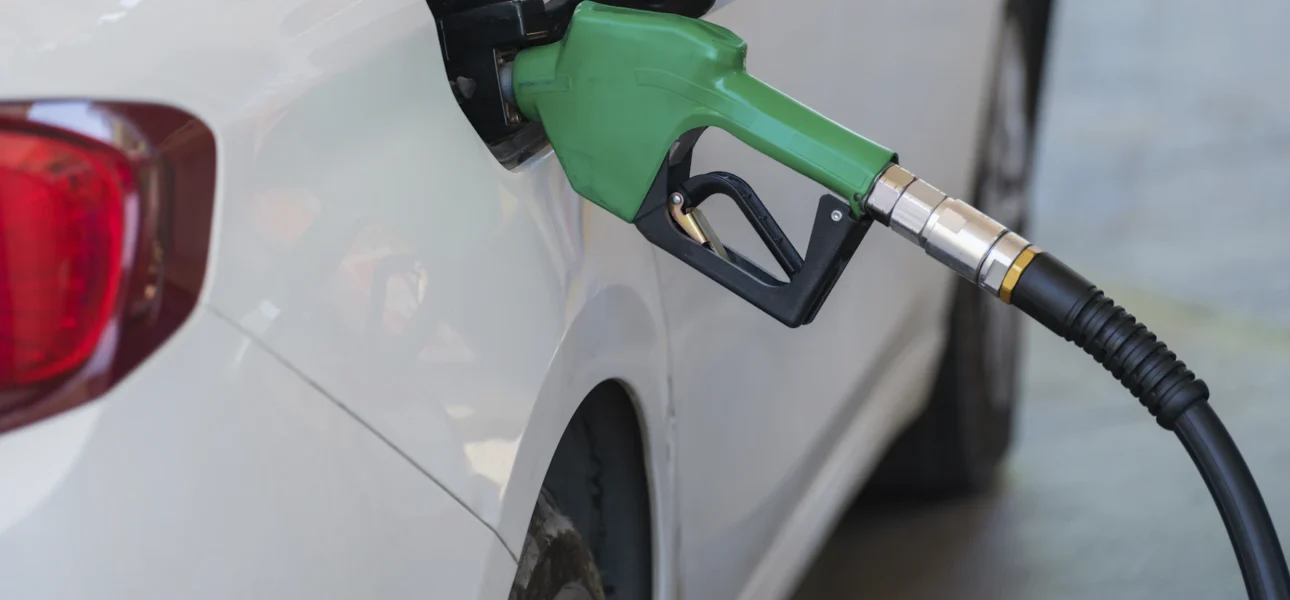
Putting the wrong fuel in your car is one of the most common motoring mistakes in the UK. It happens to experienced drivers as well as new ones, usually when they are tired, in a hurry, driving a hire car or a car they don’t normally use. It is easy to do and, if you deal with it properly, usually straightforward to fix.
What you do in the next few minutes makes the biggest difference to the cost. A car that hasn’t been started normally just needs the fuel draining. A car that has been driven on the wrong fuel can need expensive repairs. This guide explains exactly what to do, what happens inside the engine, what it is likely to cost and how to stop it happening again.
Quick answer: what to do if you put the wrong fuel in
- Don’t start the engine and don’t switch on the ignition.
- Tell the staff at the fuel station.
- Put the car in neutral and, with help, push it somewhere safe.
- Call a fuel drain service or a recovery company to drain the tank and flush the system.
- If you have already driven off, pull over as soon as it is safe, switch the engine off and don’t restart it.
How does it happen?
- Hire cars, courtesy cars and company cars that run on a different fuel from your own car
- A new car after years of driving one with the other fuel
- Being distracted, tired or in a rush
- Pump colours that vary between fuel stations: there is no single colour used for petrol or diesel nozzles across the UK
Petrol in a diesel car is far more common than the other way round, because a standard petrol nozzle is narrower and fits easily into a diesel filler neck.
If you haven’t started the engine
This is the best place to be. As long as the wrong fuel is only in the tank, it hasn’t reached the engine and the fix is usually a simple drain.
- Don’t start the car or turn the key to the ignition position. On many modern cars, switching on the ignition or pressing the start button without your foot on the brake primes the fuel pump, which starts drawing the wrong fuel through the system. Unlocking the car is normally fine.
- Tell the fuel station staff. They deal with this regularly and can help you move the car and may know a local fuel drain service.
- Put the car in neutral (on a manual) or follow your handbook’s instructions for moving an automatic without the engine running, release the handbrake and push it out of the way with help. Don’t push a car on your own, and never on a slope.
- Call for help. A mobile fuel drain service can usually drain and flush the car on the forecourt. If that isn’t possible, the car can be recovered to a garage.
- Pay for the fuel you put in. The station will still expect payment, even though it will be drained.
If you have already driven off
Sometimes the mistake only becomes obvious once you are on the road. Signs include:
- A knocking, rattling or misfiring engine
- Loss of power or the car struggling to accelerate
- More smoke than usual from the exhaust, often white or grey
- The engine management light or another warning light coming on
- The car going into limp mode, juddering or cutting out
If you notice any of these after filling up:
- Switch on your hazard lights and pull over as soon as it is safe.
- Switch the engine off and don’t try to restart it.
- Call for recovery. Every extra minute the engine runs on the wrong fuel can add to the damage.
Petrol in a diesel car: what happens?
Diesel engines rely on the fuel itself to lubricate the high-pressure fuel pump and injectors. Petrol acts like a solvent and strips that lubrication away. As the engine runs, metal parts in the fuel pump can rub against each other and wear, and tiny metal particles can then travel through the fuel system to the injectors.
That is why petrol in a diesel is the more expensive mistake. If the engine has only run briefly, a drain, flush and new fuel filter may be enough. If it has run for longer, the fuel pump, injectors, fuel lines and even the tank may need replacing.
Broken down right now? We recover cars 24/7 anywhere in the UK, with or without breakdown cover.
Call 033 0330 5153Diesel in a petrol car: what happens?
Diesel is much less likely to end up in a petrol car because the diesel nozzle is usually too wide for the filler. If it does happen, the engine will misfire, smoke heavily and probably cut out, because petrol engines can’t ignite diesel properly. Diesel can foul the spark plugs and catalytic converter, but the damage is usually less serious than petrol in a diesel. The car still shouldn’t be driven until the fuel has been drained.
Can I just top up with the right fuel?
It is not worth the risk. Even a small amount of petrol in a diesel tank reduces lubrication, and modern diesel fuel systems are built to very fine tolerances. Unless your vehicle manufacturer says otherwise, the safest option is always to have the tank drained, however little wrong fuel you added.
What does a fuel drain involve?
A fuel drain technician will usually:
- Drain the contaminated fuel from the tank
- Flush the fuel lines to remove any remaining wrong fuel
- Replace the fuel filter if needed, especially on diesel cars
- Add some of the correct fuel and prime the system
- Start the engine and check that it runs properly
- Dispose of the contaminated fuel safely
If the engine hasn’t been started, this often takes around an hour. If the engine has run, the technician may recommend taking the car to a garage for further checks.
How much does it cost to fix wrong fuel?
Prices vary with the time of day, the location and how far the wrong fuel has got:
- Engine not started: a mobile fuel drain usually costs a few hundred pounds, more at night, at weekends or on a motorway.
- Engine started briefly: similar to the above, plus extra work if the fuel lines and filter need flushing or replacing.
- Engine run for some time: the cost depends on the damage. Replacing a fuel pump or injectors on a modern diesel can cost much more than the drain itself.
- Recovery: if the car needs moving to a garage, see our car recovery cost guide for typical prices.
Always ask for the price before work starts. At QuickTow247 we confirm the recovery price before we set off.
Will my insurance or breakdown cover pay?
- Car insurance: some comprehensive policies cover misfuelling damage, but many exclude it or only pay for the drain. Check your policy wording.
- Breakdown cover: some policies include misfuelling help, or offer it as an add-on, while others treat it as an extra charge. Call your provider to check before you arrange your own drain.
- Hire cars and company cars: tell the hire company or your fleet manager straight away. Most have their own process and won’t pay for a drain you arrange yourself.
Other fuel mix-ups
- E10 instead of E5: E10 is the standard petrol in the UK and is approved for almost all petrol cars built since 2011. If your car isn’t approved for E10, one tank is unlikely to cause harm; fill up with E5 next time.
- HVO in a diesel: HVO is a renewable diesel that some vehicles are approved to use. Only use it if your manufacturer says it is suitable.
- AdBlue in the fuel tank: AdBlue should only go in its own tank. If it goes in the fuel tank, don’t start the engine: it can badly damage the fuel system. See our AdBlue guide.
- Diesel or fuel in the AdBlue tank: don’t start the engine, and have the AdBlue system checked by a garage.
How to avoid putting in the wrong fuel
- Check the label on the filler. Most cars have a sticker on the fuel flap or cap showing the right fuel.
- Read the pump, not the colour. UK pumps and many filler flaps carry standard labels: petrol is shown in a circle (E5 or E10) and diesel in a square (B7). Nozzle colours vary between companies.
- Slow down at the pump, especially in a hire, borrowed or new car.
- Fit a misfuelling device to a diesel filler neck if you often switch between petrol and diesel cars. It stops a petrol nozzle going in.
- Put a reminder on the key or dashboard of a hire or courtesy car.
Wrong fuel FAQs
Is petrol in a diesel worse than diesel in a petrol?
Usually, yes. Petrol removes the lubrication diesel fuel systems rely on, so a diesel engine run on petrol can suffer expensive damage to the high-pressure pump and injectors. Diesel in a petrol engine usually causes misfiring and smoke, and less lasting damage.
How do I know if I’ve put the wrong fuel in?
Check the pump nozzle you used and your receipt. If you’ve already driven off, signs include misfiring, knocking, lots of smoke from the exhaust, warning lights, losing power or the engine cutting out shortly after filling up.
Should I put the key in the ignition?
No. On many cars, switching on the ignition or unlocking a keyless car starts the fuel pump, which begins moving the wrong fuel through the system. Leave the key out, tell the staff at the fuel station and arrange a fuel drain.
I only put a small amount in. Is that OK?
Some manufacturers say a small amount of the wrong fuel can be diluted with a full tank of the right one, but it depends on the car and the risk falls on you. The safest option is not to start the engine and to have the tank drained.
How long does it take to drain the wrong fuel?
If the engine hasn’t been started, a fuel drain often takes around an hour once the technician arrives. It can take longer if the engine has run and the fuel lines and filter need flushing.
Can the fuel be drained at the fuel station?
Usually, yes. Most fuel drains are done on the forecourt. If the car is blocking a pump, staff can often help you push it to a safer spot in neutral, as long as nobody is put at risk.
Can I drive a short way to a garage?
No. Even a short drive pulls the wrong fuel through the pump and injectors. Have the car drained where it is, or recovered on a truck.
Can I drain the tank myself?
It isn’t recommended. Fuel is highly flammable, modern tanks are hard to drain without the right equipment, and the contaminated fuel has to be disposed of safely. A mobile fuel drain service does all of this for you.
What if I put AdBlue in the fuel tank?
Don’t start the engine. AdBlue in the fuel system can cause serious damage, so the tank needs draining and flushing before the car is used. If AdBlue has gone through the engine, the car will need a garage. See our AdBlue warning light guide.
Is it a problem if I put E10 in an older petrol car?
Most petrol cars built since 2011 can use E10. If yours can’t, the UK government says filling up with E10 once by mistake isn’t harmful; just fill up with E5 super unleaded next time.
Will insurance or breakdown cover pay for a fuel drain?
Some policies include misfuelling cover and many don’t. Breakdown cover often excludes wrong fuel or charges extra. Check your documents, but don’t wait to call for help while you do.
Will putting the wrong fuel in affect my car’s warranty?
Damage caused by the wrong fuel is not normally covered by a manufacturer’s warranty. If the car is leased or hired, tell the company straight away, and keep the receipts for the drain and any repairs.
Can I use the car straight after a fuel drain?
Usually, yes, once the technician has refilled and test-run the engine. If you notice any misfiring, warning lights or loss of power afterwards, have the car checked by a garage.
Written By
