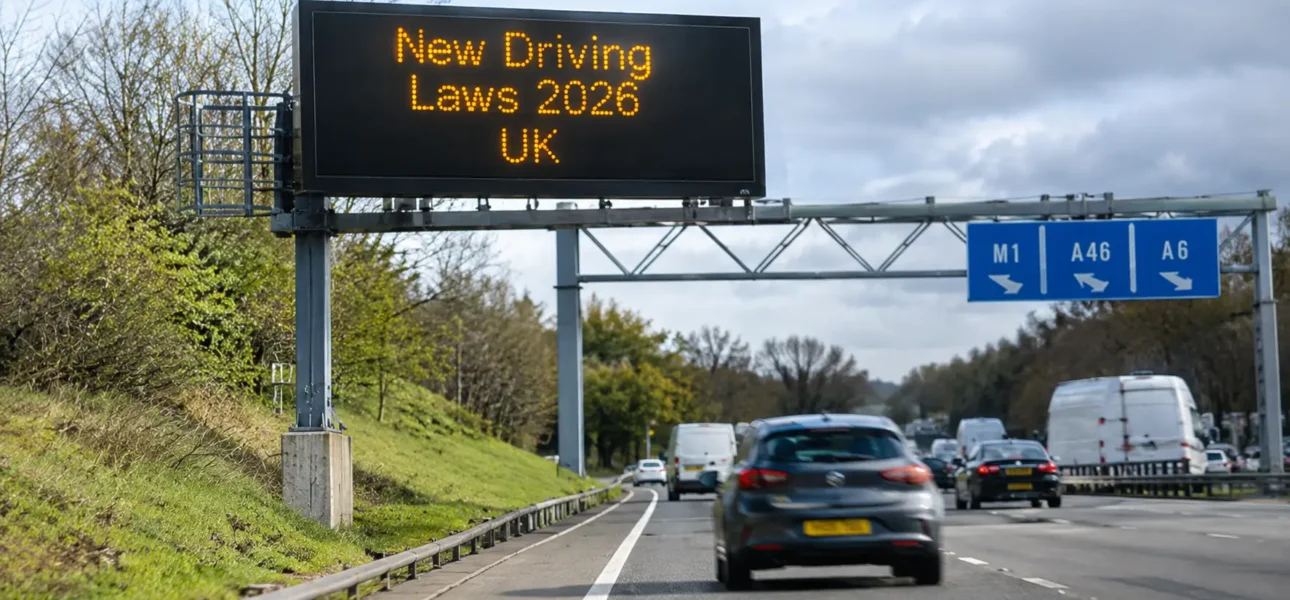
UK driving rules and motoring regulations keep changing, affecting everything from parking charges and vehicle requirements to road safety and enforcement. For drivers, the challenge is separating changes already in force from government announcements, consultations, and proposals that may not yet apply.
This guide explains key developments motorists should know about in 2026 and highlights existing requirements that remain important.
At a glance
- A new Private Parking Code was laid before Parliament in October 2026 but isn't in force yet.
- Standard car tax rose to £200 a year from April 2026.
- Several headline changes, like a lower drink-drive limit, are still only proposals.
- Check GOV.UK for the start date before relying on any new rule.
2026 changes at a glance
| Change | Status | Date |
|---|---|---|
| Private Parking Code of Practice | Not yet in force | Laid before Parliament 20 Oct 2026 |
| Car tax standard rate rises to £200 | In force | 1 April 2026 |
| EV expensive car supplement threshold £50,000 | In force | April 2026 |
| London Congestion Charge £18 a day | In force | 2 January 2026 |
| Driving test booking changes | In force | From spring 2026 |
| Pay-per-mile charge for EVs and plug-in hybrids | Planned | April 2028 |
| Lower drink-drive limit (England & Wales) | Proposed | No date confirmed |
| Eyesight tests for older drivers | Proposed | No date confirmed |
| Penalty points for not wearing a seatbelt | Proposed | No date confirmed |
Status as of November 2026. Always check GOV.UK for the latest position.
1. Changes to Private Parking Rules
In October 2026, the UK Government announced measures intended to strengthen protections for motorists using private car parks. The proposals include a new private parking code designed to address unfair charges and improve the appeals process.
Among the announced measures are:
- A five-minute period for motorists to decide whether to park.
- A ten-minute period to leave after a parking session ends.
- Improved appeal protections for certain circumstances outside a driver’s control.
- Reduced charges on appeal for specified minor mistakes.
The government also identified breakdowns and medical emergencies as situations where motorists should receive stronger protection against unfair parking charges.
Important: A government announcement or a code being laid before Parliament does not necessarily mean every measure is already enforceable. Drivers should check the commencement date and the rules applying to the relevant parking operator.
The new parking code in numbers
These measures apply once the code comes into force.
2. Parking Charges Following a Vehicle Breakdown
A vehicle breakdown in a private car park can create an additional problem if the driver cannot move the vehicle before a parking period expires. The October 2026 announcement specifically addresses circumstances where a motorist cannot comply with parking conditions because of a breakdown.
If your vehicle becomes undriveable in a private car park, keep evidence of what happened.
Useful records include:
- Photographs showing the vehicle’s location.
- The time the fault occurred.
- Recovery booking confirmations.
- Garage or repair invoices.
-
Correspondence with the parking operator.
Where possible, inform the parking operator promptly. If you later receive a parking charge, check the applicable appeals process and the rules in force at the time.
Broken down in a car park? Keep this evidence
- Photos showing where the vehicle is
- The time the fault happened
- Your recovery booking confirmation
- Garage or repair invoices
- Any messages with the parking operator
3. Other Private Parking Measures
The new Private Parking Code of Practice was laid before Parliament on 20 October 2026. Measures announced include:
- A maximum parking charge of £100 remaining in place.
- Charges reduced to a maximum of £20 on appeal for certain minor mistakes, such as entering the wrong registration number.
- Charges cancelled on appeal where a driver faced circumstances outside their control, such as a breakdown, medical emergency or faulty payment machine.
- Operators that don’t follow the code risking losing access to DVLA keeper data.
The code needs to complete its parliamentary process before it takes effect, so check the latest position on GOV.UK if you receive a charge.
4. Car Tax Changes From April 2026
From 1 April 2026, the standard rate of Vehicle Excise Duty for cars registered from April 2017 rose to £200 a year. Electric cars have paid car tax since April 2025, and the expensive car supplement threshold for zero-emission cars has been raised from £40,000 to £50,000.
The government has also announced plans for a pay-per-mile charge for electric and plug-in hybrid cars from April 2028. This is a future proposal and does not currently apply.
5. Driving Test Booking Changes
The DVSA has introduced changes to the way practical driving tests are booked in 2026, including limits on how many times a booking can be changed and moving to a system where learners book their own tests. These measures are intended to reduce test booking resales and waiting times.
6. London Congestion Charge
The daily Congestion Charge in central London increased to £18 from 2 January 2026, and the previous full exemption for electric vehicles has been replaced with a discount. If you drive in London, check Transport for London’s website for the latest charges and discounts.
7. Proposals Under Consideration
Several changes have been discussed or consulted on but are not law at the time of writing. These include:
- A lower drink-drive limit in England and Wales.
- Mandatory eyesight testing for older drivers.
- Penalty points for not wearing a seatbelt.
Proposals can change before becoming law, and some never take effect. Treat headlines about “new laws” with caution until a commencement date is confirmed.
8. Rules That Haven't Changed but Still Matter
- Using a hand-held phone while driving remains illegal in almost all circumstances.
- Your vehicle must be taxed, insured and have a valid MOT where required.
- You must tell the DVLA about certain medical conditions that could affect your driving.
- Breaking down on a motorway carries specific Highway Code guidance, including leaving the vehicle by the left-hand door and waiting behind the barrier where it is safe.
How to Stay Up to Date
The most reliable sources for UK driving rules are GOV.UK, the Highway Code and official DVLA and DVSA guidance. If a change affects your vehicle or licence, check the official guidance and the date it starts rather than relying on social media posts.
This article provides general information and is not legal advice.
24/7 vehicle recovery
Broken down? We can help, 24/7.
Tell us where the vehicle is and where it needs to go. A licensed local operator will confirm the price and get help to you, day or night.
Written By

Jason Morgan
Jason writes about breakdown recovery and roadside assistance for our site. His guides help drivers understand common vehicle problems, what to do when a breakdown happens and what to expect during recovery. Away from writing, Jason is a keen Formula 1 fan who enjoys following the racing, team tactics and latest developments throughout the season.