
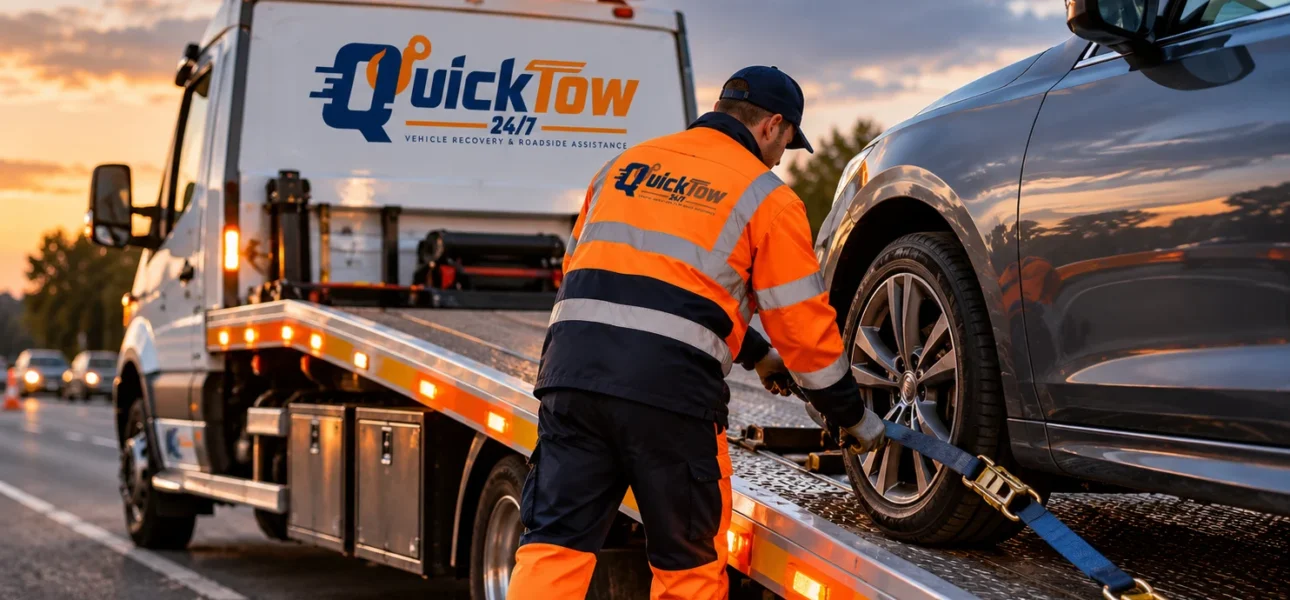
If your car breaks down and you don’t have breakdown cover, the first question is usually how much will recovery cost? The honest answer is that it depends on distance, time of day, the vehicle and where it’s stuck. This guide explains typical UK prices, what pushes the cost up, the fixed fees that apply when the police arrange a removal, and how to avoid paying more than you need to.
At a glance
- A local tow typically costs around £75–£150, depending on where you break down.
- Longer trips are usually charged per mile, often around £1.50 a mile on top of the call-out.
- Nights, weekends and bank holidays usually cost more.
- If the police arrange the removal, fixed fees apply: £192 for a car that's upright and undamaged.
- Always get the total price confirmed before the recovery truck is sent.
Typical car recovery prices in the UK
Recovery firms set their own prices, so quotes vary from area to area. The figures below are typical guide prices published by trade directory Checkatrade. Prices have risen since they were published, so treat them as a starting point rather than a fixed rate.
Guide prices for pay-as-you-go recovery
| Charge | Typical price | Notes |
|---|---|---|
| Local tow (car) | £75–£150 | Depends on where you break down |
| Extra mileage | Around £1.50 a mile | For longer journeys, on top of the call-out |
| Evenings and weekends | Around £85+ | After 6pm and at weekends |
| Bank holidays | £90–£110+ | Higher demand, fewer drivers |
| Storage at a yard | Around £20 a day | If the vehicle can't be delivered straight away |
Source: Checkatrade vehicle recovery cost guide. Vans and heavier vehicles usually cost more.
Working out a rough price
Most quotes are built from a call-out or loading charge plus mileage for the journey. Here’s a simple example for a 30-mile tow to your own garage using the guide prices above:
Example: 30-mile daytime tow
Illustration only. How firms charge varies, and your quote will depend on your location, vehicle and the time of day.
What affects the cost of car recovery?
The six things that change your quote
- Miles from the pick-up to the drop-off
- How far the truck travels to reach you
- Nights and weekends
- Bank holidays
- Urgent, immediate jobs
- Size and weight
- Vans, 4x4s and EVs
- Low or modified cars
- Motorways and fast roads
- Car parks and tight streets
- Remote or rural areas
- Non-runners
- Accident damage
- Locked wheels or no keys
- Storage at a yard
- Waiting time
- A second drop-off
Electric vehicles can usually be recovered for a similar price to petrol or diesel cars, but many need a flatbed truck because their wheels shouldn’t turn while being towed. Mention it when you ask for a quote so the right truck is sent.
Police and motorway removals: the fixed fees
If the police remove a vehicle, for example after an accident or because it’s causing an obstruction, the charges are set by law rather than by a recovery firm. Since 6 April 2023 the statutory charges in England and Wales for a car or small van (up to 3.5 tonnes) are:
Statutory removal charges (vehicles up to 3.5 tonnes)
Source: Home Office Circular 003/2023. Higher charges apply to heavier vehicles and to vehicles off the road.
Storage charges add up quickly, so if your car has been removed, arrange collection as soon as you can.
Breakdown cover or pay as you go?
Breakdown cover makes sense if you drive a lot, have an older car or would struggle to pay an unexpected bill. Pay-as-you-go recovery can work out cheaper if you rarely break down, but a single long-distance tow can cost more than a year of basic cover. If you’ve already broken down without cover, our guide on what to do if your car breaks down without breakdown cover explains your options.
How to keep the cost down
Before you book a recovery truck
- Ask for the total price, including mileage and any out-of-hours charges, before the truck is sent.
- Give the exact location and destination so the quote is accurate.
- Say if the car is an EV, a van, lowered or a non-runner, or has no keys.
- Check whether your insurance, bank account or car warranty includes breakdown help.
- Choose the nearest suitable garage if a long tow isn't necessary.
- Collect a stored vehicle quickly to avoid daily storage fees.
If you can wait until morning safely, daytime recovery is often cheaper. Never wait at the roadside if it isn't safe.
Stuck on a motorway or busy road?
Your safety comes first. Get yourself and passengers behind the barrier if it's safe to do so, switch on your hazard lights and call for help. If you're in danger, call 999.
How QuickTow247 pricing works
When you contact QuickTow247, we take the vehicle’s location, where it needs to go and a few details about the vehicle. A licensed local recovery operator then confirms the price before anyone is sent, so you know the cost up front and can decide whether to go ahead. You can request a recovery quote online or call us 24/7.
Car recovery cost: common questions
Is car recovery cheaper than breakdown cover?
For a single short tow it can be. If you break down more than once a year, or need a long-distance tow, breakdown cover usually works out cheaper.
How much does it cost to tow a car 100 miles?
At around £1.50 a mile plus a call-out charge, a 100-mile tow could cost roughly £200–£250 during the day, and more at night or at weekends. Ask for a fixed quote for your exact journey.
Do I pay before or after the recovery?
It depends on the firm. Many take payment on collection or delivery. Always agree the price and payment method before the truck is sent.
24/7 vehicle recovery
Need a recovery quote now?
Tell us where the vehicle is and where it needs to go. A licensed local operator will confirm the price before anyone is sent, day or night.
Written By

Jason Morgan
Jason writes about breakdown recovery and roadside assistance for our site. His guides help drivers understand common vehicle problems, what to do when a breakdown happens and what to expect during recovery. Away from writing, Jason is a keen Formula 1 fan who enjoys following the racing, team tactics and latest developments throughout the season.